Why Heat Treatment Remains the Ultimate Solution for Bed Bugs: Key Importance and Advantages
Bed bugs have become a persistent issue in many households, leading to substantial unease and stress. Standard pest elimination techniques commonly come up short, allowing hardy populations to survive. Heat-based treatment provides a powerful option, effectively targeting all life stages of bed bugs in a single session. This method not only eliminates pests but also addresses health and environmental concerns. Understanding the nuances of heat treatment reveals why it stands out among pest control options. What sets it apart as such a reliable solution?
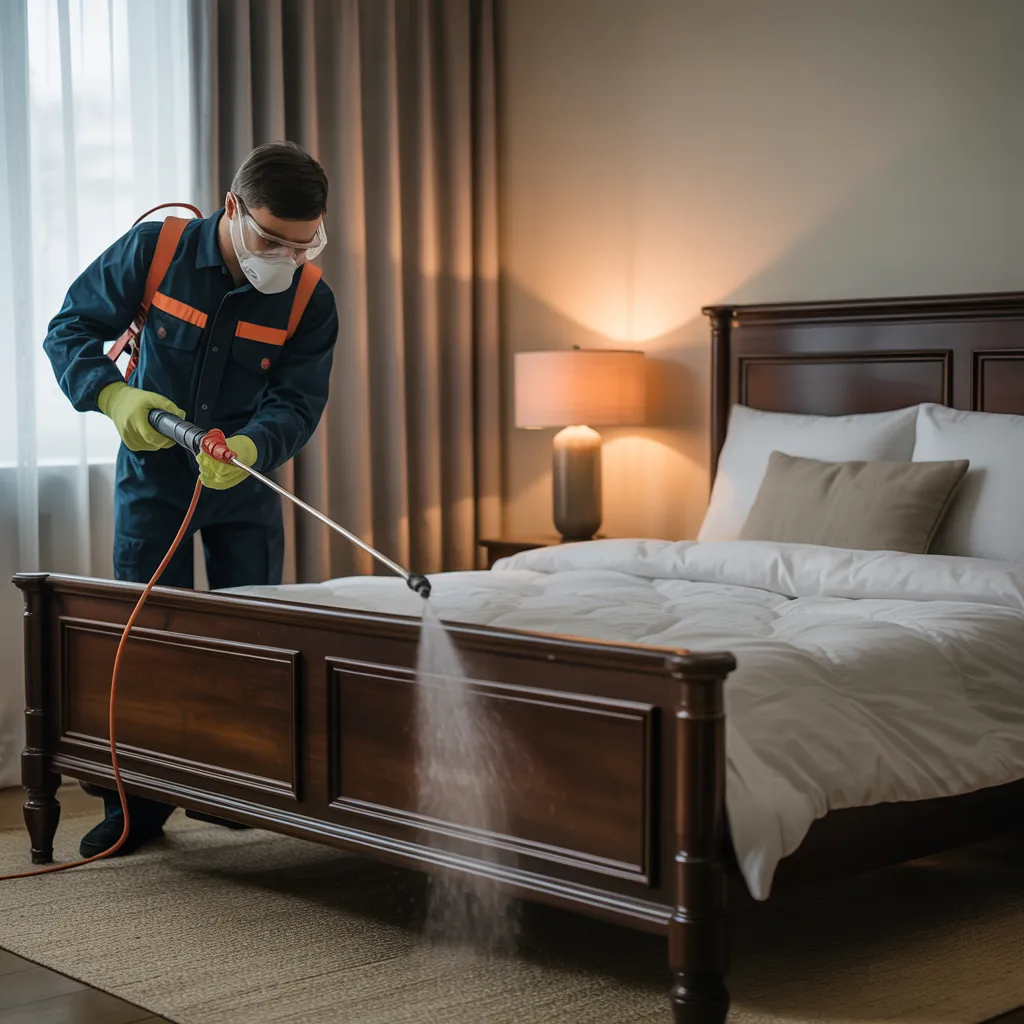
The Ongoing Challenge of Bed Bugs
While bed bugs were once nearly eliminated, they have undergone a remarkable revival in recent years, turning into an ongoing challenge for many homes and commercial establishments. These tiny, reddish-brown insects are well known for their capacity to breed fast and adjust to a wide range of conditions. Their comeback is primarily linked to growing international travel, permitting them to be transported on suitcases and apparel.
Once they infest a space, bed bugs are hard to get rid of, typically demanding professional treatment. As nocturnal parasites, they subsist on human blood, resulting in discomfort and stress for affected individuals. Bed bugs can significantly harm a business's standing, especially in the hotel and accommodation sector, where the comfort of guests is of utmost importance. Even though bed bugs are small, the effects of an infestation can be far-reaching, resulting in monetary setbacks and psychological strain, emphasizing the pressing demand for reliable treatment measures.
How Does Heat Treatment Get Rid of Bed Bugs?
Heat treatment effectively eradicates bed bugs by exposing them to elevated temperatures they are unable to survive. Typically, temperatures between 120°F and 140°F are employed to guarantee complete elimination. As bed bugs encounter these high temperature conditions, their physiological systems are impaired, leading to dehydration and ultimately death.
Heat seeps into multiple materials, including furniture, carpets, and mattresses, guaranteeing that even concealed bed bugs and their eggs are targeted. This technique is remarkably successful because it targets all developmental stages of bed bugs, from larvae to mature adults.
Unlike chemical pest control methods, which may leave behind residues and necessitate repeated applications, heat treatment offers a more immediate solution. Furthermore, it eliminates the need for dangerous chemical agents, making it a safer option for residential properties and surrounding environments, most notably those where children and pets reside. In summary, heat treatment emerges as an effective and thorough strategy to bed bug eradication.
Primary Advantages of Thermal Treatment for Bed Bug Removal
Eliminating bed bugs via heat treatment provides a variety of benefits that set it apart from traditional pest control solutions. A notable strength is its effectiveness; heat treatment can eliminate each life stage of bed bugs, including egg clusters, in a one session. In contrast to chemical treatments, which typically demand multiple sessions and can leave behind resistant colonies, heat treatment provides consistent results.
Additionally, the process is time-saving, often requiring only a brief period to complete the treatment, giving inhabitants to return to their spaces promptly.
Heat treatment is additionally non-invasive, as it removes the requirement for chemical residues, rendering it appropriate for sensitive environments such as residences with children or pets. Moreover, it decreases the chance of reinfestation, as complete heating can reach into furniture and walls, addressing concealed bugs. Overall, these benefits make heat treatment a compelling choice for effective bed bug removal.
Green Benefits of Heat Treatment
Heat-based treatment for bed bugs presents a non-chemical alternative to standard pest management methods. This approach not only effectively eliminates infestations but also substantially minimizes harmful waste connected to chemically driven treatments. Consequently, it presents a more environmentally friendly option for handling pest concerns.
Chemical-Free Pest Management
A growing number of homeowners are searching for reliable pest control methods that prioritize environmental safety. Heat treatment emerges as a chemical-free alternative that thoroughly removes bed bugs without relying on harmful pesticides. This method utilizes high temperatures to permeate furniture, carpets, and walls, guaranteeing complete pest removal. By choosing heat treatment, homeowners can safeguard their loved ones and animals from the known health concerns associated with chemical residues. Moreover, this environmentally conscious method minimizes the ecological footprint often linked to traditional pest control methods. With growing concern for sustainability, heat treatment presents a practical choice for those committed to maintaining a safe and healthy living environment while successfully controlling pest infestations.
Reduces Toxic Waste
Selecting heat treatment for bed bug extermination significantly decreases hazardous waste produced by traditional pest control methods. In contrast to chemical sprays and pesticides, which often deposit harmful residues, heat treatment uses high temperatures to effectively eradicate bed bugs and their eggs without releasing hazardous materials into the environment. This approach not only minimizes the risk of chemical exposure to humans and pets but also supports a healthier ecosystem. As heat reaches into furniture and walls, it ensures thorough pest elimination without the need for additional toxic substances. As a result, embracing heat treatment aligns with eco-friendly practices, advancing sustainability while protecting public health. By selecting this method, individuals can meaningfully engage in reducing their environmental burden while efficiently addressing bed bug problems.
What Can You Expect During Heat Treatment?
During heat treatment for bed bugs, adequate preparation is crucial to ensure safety and effectiveness. detailed resource Homeowners will need to adhere to particular instructions ahead of the treatment process, as well as engage in a post-treatment review to observe the results. Familiarizing yourself with these steps can improve the overall outcome and efficiency of the treatment process.
Getting Ready Before Treatment
In preparation for heat treatment for bed bugs, homeowners should be adequately prepared to ensure the process is successful. This preparation includes removing all items from the treatment area, such as electronics, clothing, and toys, to prevent damage from high temperatures. It is also important to clear clutter, as this enables enhanced air circulation and confirms that heat covers all potential hiding places effectively. Homeowners should thoroughly vacuum to eliminate any visible pests and their eggs, sealing the vacuum bag tightly afterward. Additionally, pets should be moved to a safe location temporarily to guarantee their protection. Finally, it is essential to share any specific issues or problem areas with the heat treatment specialists, providing a precise and thorough strategy to eliminating the bed bug issue.
After-Treatment Follow-Up
Once adequate preparation is complete, homeowners can expect a comprehensive process during the heat treatment for bed bugs. The treatment usually spans several hours, during which advanced equipment increases the temperature in affected spaces to a level that is fatal to the pests. Technicians carefully observe the environment to confirm even heat distribution, targeting all potential hiding spots. Following treatment, it is critical for homeowners to avoid reintroducing items until the treated space has returned to a normal temperature. A subsequent inspection may be scheduled to confirm the elimination of bed bugs. Homeowners should continue to be watchful for any indications of a recurrence and can seek expert advice for additional measures if needed. This preventive method improves the long-term effectiveness of the heat treatment.
Preparing Your Home for Heat Treatment
Getting ready for heat treatment is essential to enhance its effectiveness against bed bugs. Residents should begin by tidying up rooms, taking items off floors, and ensuring that areas are reachable to the specialists. It is recommended to launder and dry clothing, bedding, and curtains on high heat to destroy any concealed eggs or bugs. All furniture pieces should be moved away from walls, and electric outlets should be freed up to facilitate proper heat dispersal.
In addition, pets must be taken elsewhere for their well-being, and plants may need to be moved or covered. Residents ought to also clear out any perishable food items from the premises to prevent spoilage. It is critical to advise the heat treatment specialists about any particular concerns, such as prior infestations or delicate items. Following these preparatory steps not only ensures a comprehensive treatment process but also enhances the likelihood of complete bed bug eradication.
Questions We Often Receive
How Long Does a Heat Treatment Process Generally Take?
Heat treatment for bed bugs typically takes anywhere from six to eight hours to complete. The duration may vary based on the infestation's severity and the treated area's size, making sure the optimal temperature is achieved throughout every affected location.
Is Heat Treatment Safe for Children and Pets?
Heat treatment is generally safe for children and pets when performed correctly. Professionals guarantee that the surroundings are closely observed, minimizing risks. However, it's advisable to keep pets and children away during the thermal treatment process for additional peace of mind.
Is Heat Treatment Capable of Damaging My Furniture or Belongings?
Thermal treatment generally does not harm personal items or furnishings if carefully monitored. That said, delicate items like electronics or certain fabrics may be at risk. You should speak with professionals for precautions tailored to specific situations.
Can Heat Treatment Stop Future Bed Bug Infestations?
Heat treatment effectively eliminates existing bed bugs yet it cannot guarantee the prevention of new infestations. Ongoing surveillance and preventative steps, including routine inspections and upkeeping cleanliness, are essential for long-term bed bug control.
How Much Does Heat Treatment Usually Cost?
Thermal treatment for bed bugs typically costs from $1,000 to $2,500, depending on the infestation's severity and property size. Factors such as location and service provider may also influence the overall pricing.